
Why Waste Oil Heating Makes Sense for Rural and Off-Grid Operations
If you run a farm, rural workshop, or off-grid property, you already know the frustration of heating costs that arrive on top of everything else. Businesses like farms and construction sites face a relentless problem each winter: heating costs. What many rural operators do not realise is that the answer may already be sitting in drums behind the shed. Waste oil heating turns a disposal headache into a free energy source, and when done correctly in Australia, it is entirely legal and genuinely practical.
Key Takeaways
- Waste oil heating is legal in Australia under strict conditions: Purpose-built heaters, proper fluing, on-site oil sourcing, and bunded storage are the non-negotiable requirements. Using non-compliant equipment or burning oil in open fires is illegal and carries serious EPA fines.
- The fuel cost can be effectively zero: If you generate a sufficient supply of your own waste oil, the cost of heating with waste oil is zero. Compared with LPG at 4.2c/MJ, If you generate a sufficient put waste oil at just 0.8c/MJ, a dramatic difference for any rural operation already collecting used engine and hydraulic oil.
- Improper disposal is a serious environmental risk: Waste oil that makes its way to the ground can pollute the soil and reach groundwater, contaminating a potential source, and one litre of waste oil can contaminate one million litres of water. Burning it in a compliant heater removes that risk entirely.
- Payback periods are short: Most operations save $3,000-$10,000 per year on heating fuel alone, with a typical break-even period of just one to three years. Therefore, if your property produces regular waste oil volumes, a purpose-built heater is worth prioritising this season.
Quick-Start Prioritisation Framework
| Scenario | Best Approach | Effort Level | Time to Results |
|---|---|---|---|
| Farm producing tractor/equipment oil | On-site waste oil space heater | Low | First winter |
| Rural workshop with consistent oil volumes | SZ-series or Kozy-style forced-air heater | Low-Medium | 1-2 seasons |
| Off-grid property, slab or hydronic heating | Waste oil boiler with hydronic circuit | Medium | 1-2 seasons |
| Property accepting oil from off-site sources | Seek EPA and waste transport advice first | High | Variable |
Start here if you are:
- A small farm or workshop: A forced-air waste oil heater is the lowest-cost, fastest-payback entry point. Burn only oil generated on your own property.
- Running an off-grid homestead: A hydronic waste oil boiler integrated with slab or radiator heating delivers consistent, quiet warmth without grid reliance.
- Unsure about compliance: Contact your state EPA before purchasing any equipment. Victoria’s framework is a useful benchmark; other states have similar obligations.
 Photo by Jonathan Holt on Unsplash
How Waste Oil Heating Actually Works
The Mechanics of Compliant Burning
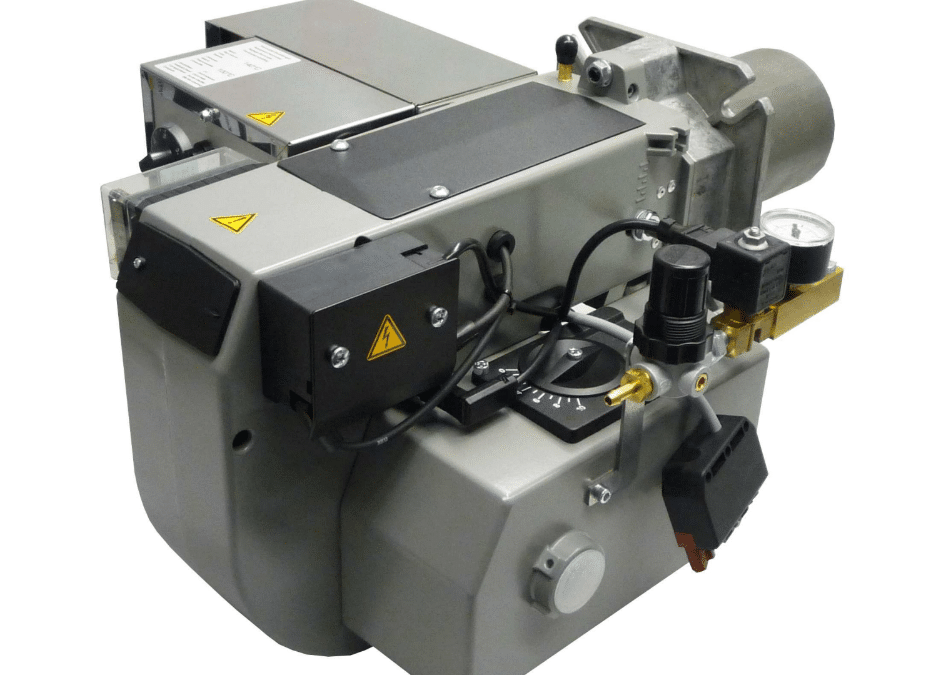
A waste oil heater is a specialised furnace designed to handle the impurities and higher viscosity found in used oil. Key components include a preheater that warms the oil for better combustion, a burner unit that atomises oil into a fine mist for clean burning, a combustion chamber that generates heat, and a heat exchanger that distributes heat through the facility.
Direct combustion of waste oil can supply daily residential energy in households, and self-atomisation and complete combustion can be achieved by recycling combustion heat to pre-heat the waste oil and decrease its viscosity. This is the critical point: a purpose-built atomising or vaporising burner running at high temperature produces clean, complete combustion. A DIY burn barrel does not.
What You Can and Cannot Burn
Modern multi-fuel heaters can burn any petroleum-based fuel including used oil, transmission fluid, hydraulic fluid, and diesel fuel. However, never introduce antifreeze, paint thinners, solvents, or coolant into a waste oil heater. These contaminants can produce toxic emissions and will put you in breach of state EPA regulations immediately.
Pro Tip: Filter your waste oil before it enters the heater’s storage tank. A basic sediment filter removes water and particulates, reduces ash build-up inside the combustion chamber, and extends service intervals significantly.
The following video demonstrates how a DIY waste oil heater functions in practice, showing the combustion process and basic construction from start to finish.
The Australian Legal Framework: What Rural Operators Must Know
When Burning Waste Oil Is Legal
Burning used oil is legal in Australia when done with purpose-built, compliant equipment under the right conditions. Underpinning Victoria’s Environment Protection Act 2017, which came into effect on 1 July 2021, is the General Environmental Duty. The GED is central to the Act, and businesses must reduce the risk of their activities that potentially harm the environment or human health through pollution or waste.
Under state EPA frameworks, burning waste oil is permitted for commercial and workshop space heating using purpose-built heaters and burners. Equipment must achieve complete combustion without discharging visible smoke, offensive odours, or toxic airborne particulates. Small-scale workshop heaters operating below 3 MW thermal capacity in Victoria generally do not require complex industrial licensing, provided they comply with local planning, building, and general environmental duty regulations.
When It Becomes Illegal
The line is clear. Burning used motor oil in open pits, drums, or backyard incinerators is strictly prohibited. Burning oil in modified gas bottles, drip pots, or improvised appliances that discharge black smoke is illegal. A person commits an offence if they contravene the General Environmental Duty in the course of conducting a business or undertaking, with penalties reaching 2,000 penalty units for a natural person and 10,000 penalty units for a body corporate.
Accepting commercial quantities of waste oil from off-site sources without proper EPA waste tracking and transport permits is also illegal, and doing so can reclassify your property as a waste treatment facility subject to full EPA licensing.
Pro Tip: Burn only the oil generated on your own property. This keeps compliance straightforward and keeps regulators off your doorstep. Sourcing oil from neighbouring farms or workshops triggers additional permit requirements in most states.
Storing Waste Oil Safely on Rural Properties
The Bunding Requirement
Before your heater even ignites, your oil storage must comply with Australian standards. Australian Standard AS1940:2017 covering the storage and handling of flammable and combustible liquids, is the national benchmark applying across every state and territory. The practical outcome for rural operators is straightforward.
Australian regulators, including EPA NSW, refer site operators to AS 1940 when determining capacity requirements. In practice, a bund must be capable of containing at least 110% of the volume of the largest container stored, or 25% of the total stored volume, whichever is greater. Therefore: if your waste oil drum holds 200 litres, your bund must hold at least 220 litres. Get that right before you store a single litre.
Labelling and Separation
Both waste oil and waste coolant are Prescribed Industrial Waste fluids, and disposing of or losing containment of these liquids carries serious environmental and financial repercussions. Even a small spill can create a significant environmental issue, one litre of oil disposed of incorrectly has the potential to contaminate one million litres of water.
Keep waste oil in clearly labelled, dedicated containers, separate from coolant or fuel. Australian legislation forbids the disposal of waste oil into soil or stormwater and outlines requirements for prevention of spills by ensuring oil is stored in a bunded and covered area in appropriate containers.
 Photo by Chelaxy Designs on Unsplash
Why Rural and Off-Grid Properties Benefit Most
No Grid Dependence
In rural areas where propane deliveries can be inconsistent or costly, a waste oil heater offers off-grid, low-cost warmth for barns, shops, and greenhouses. For properties far from town, this removes reliance on fuel delivery schedules and price volatility entirely.
Farm Machinery Produces the Fuel Naturally
Agricultural operations often have access to surplus oil from machinery, and waste oil systems can help provide affordable heating for barns and greenhouses. Tractors, diesel pumps, generators, and farm vehicles generate used engine and hydraulic oil continuously. That oil was previously a disposal cost. A compliant heater converts it into a heating asset.
Environmental Responsibility on Your Land
Heating with waste oil reduces the need for other heat sources like natural gas, electricity, and propane, directly saving money on heating bills while offsetting demand for those fuels in energy markets. For rural operators who care about what happens to their land and waterways, burning waste oil in a compliant, high-temperature heater is genuinely the responsible choice compared with improper storage or disposal.
Kroll Heaters Australia has been supplying purpose-built waste oil heaters and boilers to Australian farms, workshops, and off-grid properties for decades. Recent projects include a Leongatha, Victoria dairy farm running a 90-degree hot water system using a Kroll SF6 Waste Oil Boiler. Their range covers forced-air workshop heaters through to full hydronic boiler systems suitable for slab heating and radiator circuits.
Pro Tip: If your property runs both a workshop and living quarters, consider a hydronic waste oil boiler. A single unit can supply hot water to radiators, in-slab systems, and domestic hot water simultaneously, all from oil you are already collecting.
Frequently Asked Questions
Is burning waste oil legal on my farm in Australia?
Yes, provided you use purpose-built, compliant equipment and burn only oil generated on your own property. Under state EPA frameworks such as Victoria’s Environment Protection Act 2017, farm and workshop space heating from on-site waste oil is permitted. Open burning, DIY burn barrels, and non-compliant heaters are illegal and carry substantial fines. Check your specific state EPA’s requirements before purchasing equipment.
What types of oil can I burn in a waste oil heater?
Compliant heaters can operate using most waste oils of mineral and plant origin, including engine, gear, hydraulic, and fuel oil, provided the oil has a maximum density at 15°C of 860 kg/m³ and an ignition temperature exceeding 56°C. Never introduce solvents, antifreeze, paint thinners, or coolant, as these produce toxic emissions and constitute illegal burning under EPA legislation.
How much waste oil does a heater actually consume?
A Kozy-style waste oil heater suitable for spaces up to 300m² uses approximately two litres of waste oil per hour on low and three litres per hour on high. A typical farm generating regular machinery oil can sustain a heater of this size comfortably through the colder months. If your volumes are lower, consider a smaller unit or a hydronic boiler that retains heat in water for longer periods between burn cycles.
Do I need EPA approval to run a waste oil heater in Victoria?
Small-scale workshop heaters operating below 3 MW thermal capacity generally do not require complex industrial EPA licensing in Victoria, provided they comply with local planning and building regulations and meet the General Environmental Duty under the Environment Protection Act 2017. You must use purpose-built equipment, flue correctly above surrounding rooflines, store oil in bunded containment, and burn only on-site generated oil. Contact EPA Victoria directly for site-specific guidance.
Sources
- Environment Protection Act 2017, General Environmental Duty, EPA Victoria. Framework for waste and pollution obligations. https://www.epa.vic.gov.au/our-environment-protection-framework
- Waste Oil Heater Guide: Reuse Engine Oil for Heat, The Environmental Blog, 2025. Costs, savings, and farm applications. https://www.theenvironmentalblog.org/2025/07/waste-oil-heater-guide/
- Frequently Asked Questions on Waste Oil Heating, Kroll Heaters Australia. Energy cost comparisons and heating FAQ. If you generate a sufficient
- Why Proper Waste Oil Disposal is Crucial, Benzoil Australia. Environmental contamination data. https://benzoil.com.au/why-proper-waste-oil-disposal-is-crucial/
- Oil Bunding Regulations and Requirements in Australia 2026, Best Bunding. AS1940:2017 compliance guidance. https://bestbunding.com.au/blogs/news/oil-bunding-regulations-requirements-in-australia-how-to-stay-compliant
- Bunding for Spill Containment in Australia, Trade Enviro. 110% bund rule and EPA enforcement. https://tradeenviro.com.au/guide/bunding-for-spill-containment/
- Is Burning Waste Oil Dirty?, EnergyLogic Waste Oil Heaters. Environmental offset benefits of waste oil heating. https://energylogic.com/is-burning-waste-oil-dirty-hint-its-greener-than-you-think/
- Kroll Kozy Waste Oil Heater, Kroll Heaters Australia. Product specifications and consumption data. A Kozy-style waste oil heater
- Recent Heating System Installations, Kroll Heaters Australia. Dairy farm and rural project examples. https://kroll-heaters.com.au/recent-projects/
Recent Comments